
I was sitting in a staff meeting last Tuesday, listening to a consultant drone on about “multi-sensory cognitive mapping” and the necessity of expensive, bespoke revision planners, when I realized we’ve completely lost the plot. We’ve turned the simple act of learning into a consumerist performance, as if buying a set of pastel highlighters is the same thing as actually thinking. If you’re currently staring at a pile of flashcards wondering how to revise effectively without losing your mind or your entire weekend, let me tell you: the glossy brochures are lying to you. Most of that “expert” advice is designed for a student who has a quiet study, a personal tutor, and a complete lack of social media distractions—it’s not designed for the kid sitting in a noisy kitchen at 9:00 PM trying to make sense of the Tudors.
I’m not here to sell you a system or a lifestyle brand. I’m going to give you the version of revision that survives contact with a tired brain and a cluttered desk. We are going to talk about the uncomfortable stuff—the kind of retrieval practice that actually sticks because it forces your brain to work, rather than just making your notes look pretty. This is about what works when you’re exhausted, when time is running out, and when you need results that actually show up on the paper in front of you.
Table of Contents
Active Recall Study Methods That Actually Stick
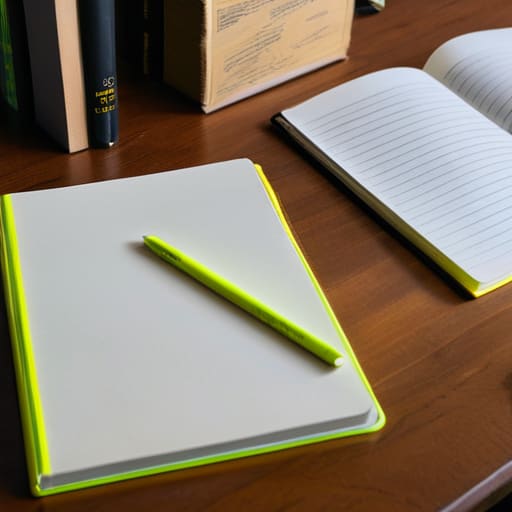
Look, I’ve seen a thousand “innovative” revision planners come through my department, and most of them are just expensive ways to procrastinate. If you’re sitting there highlighting every third line in a textbook with a neon yellow marker, you aren’t studying; you’re just decorating. That’s passive, and it’s a trap. To actually make things stick, you need to embrace active recall study methods that force your brain to do the heavy lifting. This means closing the book, putting the highlighter down, and forcing yourself to retrieve the information from scratch. It feels harder because it is harder, but that friction is exactly where the learning happens.
The real magic—and the part that most people ignore because it requires a bit of discipline—is integrating a basic spaced repetition system. Don’t bother with the complex software if it feels like a chore; just use flashcards or a simple calendar to revisit a topic just as you’re about to forget it. If you try to cram a whole term’s worth of content into a single Sunday night, you’re essentially trying to fill a bucket with a hole in the bottom. You need to space those sessions out to actually build long-term memory.
Memory Retention Techniques for the Exhausted Student
Look, I know the feeling. It’s 9:00 PM, you’ve got a mountain of flashcards staring at you, and your brain feels like it’s been through a paper shredder. Most advice tells you to “engage deeply with the material,” but when you’re running on fumes, that’s a tall order. The reality is that most memory retention techniques touted in textbooks assume you have the mental bandwidth of a neuroscientist. In a real bedroom, with a half-finished cup of tea and a looming deadline, you don’t need more “engagement”—you need efficiency.
Instead of trying to re-read entire chapters (which is basically just expensive way of staring at paper), lean into the cognitive science of learning by doing the bare minimum for the maximum impact. If you can only manage twenty minutes, don’t waste them highlighting. Instead, close the book and try to scribble down the three most important things you just read. It’s messy, it’s frustrating, and it feels like it’s not working, but that’s exactly when the learning is happening. Stop trying to be perfect and just start being active.
Five Ways to Revise Without Losing Your Mind (or Your Sleep)
- Stop the “Passive Re-reading” Trap. I’ve seen it a thousand times: students sitting there, highlighting a textbook until it looks like a neon crime scene, thinking they’ve “studied.” They haven’t. You haven’t either. If your eyes are moving but your brain isn’t working, you’re just colouring. Close the book, grab a scrap of paper, and write down everything you actually remember. It’ll be messy, and it’ll feel harder, but that’s because it actually is work.
- Prioritise the “Red” Topics. Don’t spend your precious evening hours polishing the things you already know just because it feels good to get a practice question right. That’s ego-driven revision, not effective revision. Find the stuff that makes you feel slightly sick when you see it on a worksheet—the stuff you keep getting wrong—and tackle that first. It’s miserable, but it’s the only way to actually move the needle.
- Use “Low-Stakes” Testing Every Single Day. You don’t need a formal mock exam setup to test yourself. Use the back of a flashcard, a quick quiz on your phone, or even just explaining a concept to your dog. The goal isn’t to get 100%; the goal is to find the gaps in your knowledge before the examiner does. If you can’t explain a concept simply to someone who isn’t in your subject, you don’t actually know it yet.
- The “Interleaving” Shuffle. Most students study in blocks—two hours of History, then two hours of Biology. That’s fine for a hobby, but it’s terrible for an exam. Try mixing it up. Do twenty minutes of math, then fifteen of English, then back to math. It feels disjointed and frustrating, which is exactly why it works; it forces your brain to constantly re-orient itself and distinguish between different types of problems.
- Respect the “Brain Drain.” I’ve spent enough years in classrooms to know that after 40 minutes of intense focus, most people are just staring blankly at a wall. If you’re exhausted, stop. A twenty-minute walk or a decent meal will do more for your retention than an extra hour of staring at a page while your brain is effectively offline. You can’t pour from an empty jug, and you certainly can’t memorise anything with one.
The Reality Check: What Actually Matters When the Bell Rings
Stop chasing the ‘perfect’ aesthetic; if your revision method requires twenty minutes of highlighting and a fresh set of pens, it’s just procrastination in disguise. Real revision is the uncomfortable, slightly frustrating work of trying to remember something when you can’t see it in front of you.
Prioritise the ‘low-stakes’ win over the ‘high-intensity’ slog. It is far better to do five minutes of brain-dumping on a Tuesday afternoon when you’re knackered than to attempt a four-hour marathon on a Sunday night that you’ll inevitably abandon halfway through.
Focus on the gaps, not the certainties. Most students spend their time revising what they already know because it feels good and builds confidence, but that’s a waste of time. If it doesn’t feel a bit difficult and a bit messy, you probably aren’t actually learning anything new.
The Myth of the Aesthetic Revision Session
“Stop worrying about whether your notes look like a Pinterest board or if you’ve got the right highlighters; if your revision process doesn’t feel a bit uncomfortable, a bit messy, and slightly frustrating, you aren’t actually learning anything—you’re just performing ‘study’ for an audience of one.”
Ellery Mwangi-Selkirk
The Reality of the Final Push
Look, we’ve covered a lot of ground, from the mechanics of active recall to ways of keeping your head above water when you’re too tired to think. If you take nothing else away, remember this: revision isn’t about how many hours you spend staring at a highlighter-soaked textbook, and it certainly isn’t about how many “study aesthetic” videos you watch on your phone. It’s about the messy, sometimes frustrating work of actually pulling information out of your brain without the safety net of your notes. If you can do that—even if it’s just for twenty minutes on a Tuesday night when you’d rather be doing anything else—you are already ahead of the curve. It’s about doing the hard work early so that the actual exam feels like a formality rather than a crisis.
I know how heavy this feels. I’ve seen it in thousands of students, from the high-flyers to the ones sitting in the back row just trying to make it to the bell. The pressure to perform can make you feel like your entire worth is tied to a grade on a piece of paper, but please, don’t let the system convince you of that. Use these tools, find the methods that work for your specific brain, and be kind to yourself when things don’t go perfectly. You are more than a collection of data points and retrieval scores. Just show up, do the bit that matters, and remember that one bad season doesn’t define a career—or a life.

Author

Related Posts

Group Work With Individual Accountability
I remember a Tuesday afternoon in Year 9—the kind where the radiator is clanking, the rain is lashing against the windows, and...
Read out all
Peer Norms Shape Effort More Than Teachers Do
I remember sitting in a shiny, air-conditioned seminar room during a leadership training session, listening to a consultant explain the “synergistic potential...
Read out all
The Adolescent Brain and Classroom Consequences
I’ve spent many a Tuesday afternoon sitting in staff meetings, nodding politely while some consultant in a slim-fit suit explains the “neurobiological...
Read out all
What Changes Between Seven and Seventeen
I remember sitting in a windowless seminar room during my middle leadership training, nodding politely while a consultant in a crisp suit...
Read out all
Anxiety Occupies the Memory You Need
I remember sitting in a Year 10 assembly three years ago, watching a student—a bright, capable lad who usually had his hand...
Read out all
Some Stress Helps, Chronic Stress Does Not
I remember sitting in a Year 10 assembly three years ago, watching a student named Leo stare at a blank sheet of...
Read out all