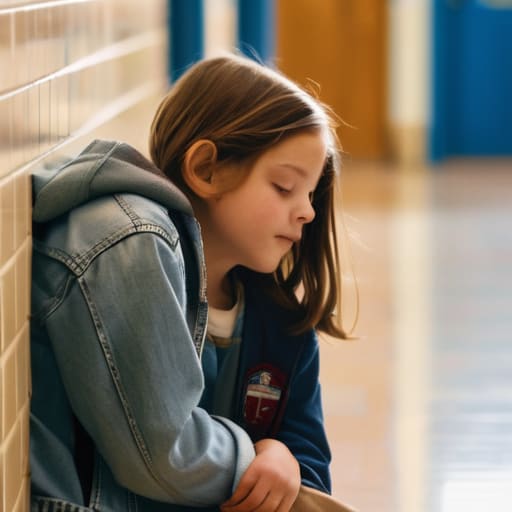
I remember sitting in a windowless meeting room during a Tuesday afternoon briefing, listening to a consultant in a slim-fit suit explain a “holistic, multi-agency framework” for conflict resolution. He was handing out glossy brochures about empathy workshops and digital citizenship modules, while all I could think about was the kid in Year 9 who had been getting his bag kicked across the canteen for three weeks. The gap between those expensive, polished theories and the reality of how bullying should be addressed in a crowded corridor is a canyon. We don’t need more three-day seminars or complex reporting software that no one has the time to update; we need something that actually holds up when the bell rings and the chaos begins.
I’m not here to sell you on another expensive initiative or a policy handbook that will just gather dust in a staffroom folder. Instead, I want to talk about the small, gritty realities of keeping a classroom safe when you’re already running twenty minutes late for your next period. I’m going to share what actually works when you’re tired, outnumbered, and dealing with the fallout of a playground incident that happened ten minutes ago. This is about practical, battle-tested tactics for the room you are actually in.
Table of Contents
Anti Bullying Strategies for Schools That Actually Survive the Bell

Look, I’ve sat through enough CPD sessions on “holistic wellbeing frameworks” to know that a colourful poster in the staffroom does absolutely nothing for a Year 9 student being targeted in a group chat at 9:00 PM. If we want real anti-bullying strategies for schools, we have to stop treating it like a theoretical problem to be solved in a meeting and start treating it like the social reality it is. This means moving beyond the “tell a teacher” mantra—which, let’s be honest, most kids find social suicide—and focusing on effective bystander intervention. We need to give the quiet kids in the middle of the circle a way to disrupt the pattern without becoming the next target themselves.
It’s also about the small, unglamorous stuff. It’s noticing the shift in the seating plan when a certain group starts whispering, or spotting the subtle withdrawal that precedes a full meltdown. We talk a lot about the psychological impact of bullying, but the most immediate way to help is through consistent, predictable responses. When a student comes to you, they don’t need a formal investigation immediately; they need to know that the person in charge isn’t going to make their life harder by mishandling the fallout.
Supporting Victims of Harassment Without Adding to Your Workload
The problem with most guidance on supporting victims of harassment is that it assumes you have the luxury of a thirty-minute pastoral meeting scheduled in a quiet room. In reality, you usually spot the issue through a sideways glance in a crowded corridor or a sudden, unexplained drop in a student’s engagement during a Tuesday afternoon lesson. You don’t need a new referral form; you need to know how to actually listen without letting your next lesson slip into chaos.
Start by shifting the focus from intensive intervention to consistent, small-scale presence. Effective bystander intervention doesn’t require a seminar; it happens when you notice the quiet kid being sidelined and you intentionally pull them into a group or a conversation. It’s about creating those tiny, predictable pockets of safety. If we want to mitigate the psychological impact of bullying, we have to stop treating it like a crisis to be managed and start treating it like a relational reality that requires constant, low-level vigilance. It isn’t about being a hero; it’s about being the one person in the room who actually noticed.
Five Things That Actually Move the Needle (Without Breaking You)
- Stop relying on the “assembly approach.” A twenty-minute presentation in the hall is where nuance goes to die. Real change happens in the small, uncomfortable conversations in the corridor or the five minutes at the end of a lesson when you notice a kid has suddenly stopped making eye contact. It’s less about the big speeches and more about being present in the spaces where the policies don’t reach.
- Fix the supervision gaps, not the paperwork. You can have the most robust anti-bullying policy in the county, but if the Year 9 corridor is a lawless wasteland during lesson transitions, that policy is just expensive kind of fiction. It’s about where the staff are standing and how they are engaging, not how many forms you’ve filled out in response to an incident.
- Don’t just “monitor” social groups; understand the geography of the playground. Every school has its own unspoken map of where certain kids feel safe and where they feel hunted. Knowing that the corner behind the bike sheds is “no-go territory” for a specific student is worth more than any generic wellbeing initiative you’ve been told to implement.
- Empower the “quiet middle.” We spend so much time managing the high-profile bullies and the obvious victims that we ignore the thirty kids who see everything and say nothing. If you can shift the social temperature by getting the neutral kids to stop laughing at the “jokes,” the bully loses their primary currency: the audience.
- Be honest with the kids about the limits of the system. There is a certain type of student who will see through the “we are a caring community” platitudes instantly. When things go wrong, don’t hide behind “the school is looking into it.” Tell them what is actually happening, even if the answer is “it’s complicated and we’re working on it.” They respect the truth more than the script.
The Bottom Line for a Busy Monday Morning
Stop looking for a magic policy; focus on the small, consistent wins like being visible in the corridors and actually listening to the kids when they tell you something is wrong.
Don’t let the “whole school approach” become a way to pass the buck; if a student is being targeted, they need an adult who is actually present, not a referral to a system that takes three weeks to respond.
Protect your own sanity by building support into the existing school rhythm—if an intervention requires you to stay until 7:00 PM every night, it’s not a sustainable strategy, it’s a recipe for burnout.
The Policy vs. The Playground
“We spend far too much time polishing fifty-page safeguarding policies that look brilliant in a folder on the Headteacher’s desk, but they mean nothing if they don’t translate to what happens in the three minutes of chaos during a lesson changeover. Addressing bullying isn’t about a seminar or a poster; it’s about having the presence of mind to spot the shift in a student’s posture when the corridor gets loud, and having a system that doesn’t require a mountain of paperwork just to offer a bit of genuine support.”
Ellery Mwangi-Selkirk
The Reality of the Long Game
At the end of the day, we have to stop pretending that a glossy new safeguarding policy or a single assembly on “kindness” is going to fix the underlying rot. We’ve talked about the necessity of practical, low-friction interventions—the kind that don’t require a spreadsheet or a three-hour meeting—and the importance of actually noticing the quiet shifts in a student’s behaviour before they become a crisis. It isn’t about the grand gestures; it is about the consistency of the small things, from how we monitor the corridors to how we support the kid who has clearly stopped trying. If the strategy doesn’t work when you’re tired, understaffed, and staring at a room of thirty restless teenagers, then it isn’t a strategy; it’s a fantasy.
I know how heavy this feels. I know that when you’re already drowning in marking and data entry, being told you need to “be the change” feels less like an inspiration and more like an extra burden. But please, don’t lose sight of why you’re in that room. You might not be able to rewrite the school’s entire culture by Friday, but you can be the one person who actually sees them when they are being pushed to the margins. We can’t fix every broken system, but we can ensure that, within the four walls of our own classrooms, the good ideas survive.

Author

Related Posts

A Library With Someone Running It
I remember sitting in a departmental meeting ten years ago, listening to a consultant drone on about “digital literacy hubs” and “multi-modal...
Read out all
Keeping Arts on the Timetable
I remember sitting in a budget meeting back in 2014, listening to a consultant in a slim-fit suit explain how we could...
Read out all
Participation Versus Competition in School Sport
I remember standing in a drafty changing room in mid-November, watching a frantic PE lead try to coordinate three different Year 8...
Read out all
Enrichment That Reaches the Pupils Who Need It
I remember sitting in a windowless meeting room five years ago, staring at a glossy PowerPoint presentation that promised to revolutionise our...
Read out all
Removing Barriers Before Adding Interventions
I remember sitting in a windowless meeting room ten years ago, listening to a consultant in a slim-fit suit explain a “holistic...
Read out all
Multi-agency Work and Its Delays
I remember sitting in a windowless meeting room during a Tuesday afternoon slot—the kind where the radiator hums just loud enough to...
Read out all