
I remember sitting in a departmental meeting ten years ago, listening to a consultant drone on about “community engagement frameworks” and how sophisticatedly how schools use volunteers can transform student outcomes. I looked out the window at the rain hitting the playground and thought about the actual reality: a well-meaning retiree standing awkwardly in the corner of my Year 9 classroom, clutching a clipboard and looking like they’re waiting for permission to breathe. We don’t need high-level strategic frameworks or glossy brochures to tell us that extra hands are a blessing; we need to know how to stop them from becoming another thing we have to manage when we’re already drowning in marking.
In this piece, I’m not going to give you a theoretical blueprint designed by someone who hasn’t stepped foot in a corridor since the nineties. Instead, I want to talk about the practical, slightly messy truth of integrating extra people into a live classroom. I’ll be sharing what actually works when you have thirty kids in the room and a volunteer who has never seen a GCSE textbook, focusing on how to turn that extra person into a genuine asset rather than just another body you have to supervise.
Table of Contents
- Managing School Volunteer Programs When Time Is Non Existent
- Beyond the Bake Sale Real School Volunteer Roles and Responsibilities
- Five Ways to Use Extra Hands Without Losing Your Mind
- The Reality Check: What Actually Matters When the Bell Rings
- The Myth of the Extra Pair of Hands
- The Reality of the Extra Pair of Hands
Managing School Volunteer Programs When Time Is Non Existent
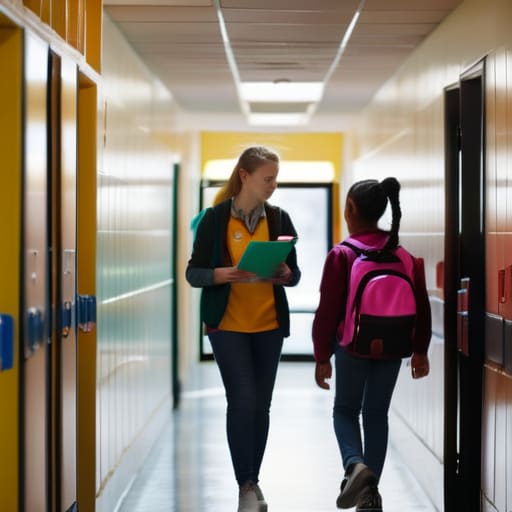
The problem with most guidance on managing school volunteer programs is that it assumes you have the luxury of a dedicated coordinator sitting in a quiet office. In reality, you’re usually trying to figure out where to put a helpful parent while simultaneously de-escalating a Year 9 argument and looking for a lost glue stick. You don’t have time for a three-hour induction session, but you also can’t afford to wing it.
The reality is that you need to be crystal clear about school volunteer roles and responsibilities from the second they walk through the door. If they think they’re there to lead a seminar on the Tudors but you actually need them to sit with a small reading group because you’re drowning in marking, you’ve already lost the battle.
More importantly, you can’t let the chaos compromise your standards. We all know the paperwork is a headache, but ensuring rigorous background checks for school volunteers isn’t just a box-ticking exercise for the governors; it’s the only thing that lets you sleep at night. You need a system that is robust enough to protect the kids, but simple enough that it doesn’t become another mountain of admin on your already overflowing desk.
Beyond the Bake Sale Real School Volunteer Roles and Responsibilities
If we’re being honest, most people think of school volunteers as the folks who show up to organize the summer fair or hand out cupcakes at the end of term. While those are lovely, they don’t actually touch the day-to-day reality of a classroom. Real school volunteer roles and responsibilities need to be more surgical than that. I’m talking about the parent who can sit with a Year 4 group and help them navigate a tricky reading task, or the retired professional who can support a small-group intervention without needing a thirty-minute briefing every single time they walk through the door.
However, we can’t just let anyone wander into a Year 9 lesson because they’ve promised to help. This is where the paperwork—as tedious as it is—becomes our shield. When we talk about safeguarding volunteers in education, it isn’t just about ticking a box for the inspectors; it’s about ensuring that the person helping with phonics is just as vetted as the person on the payroll. You need a clear framework so that when a volunteer arrives, they aren’t standing awkwardly in the doorway wondering if they should be helping with the literacy task or just making sure nobody throws a glue stick.
Five Ways to Use Extra Hands Without Losing Your Mind
- Stop treating them like unpaid teaching assistants. If you throw a volunteer into a Year 9 lesson with no briefing and expect them to “support learning,” you’re setting them—and your lesson—up for a crash. Give them a specific, narrow task, like monitoring a single table or helping a specific group with a worksheet, rather than the vague command to “help out.”
- The “Shadow Rule” is your best friend. Never, ever let a volunteer go into a classroom alone until you’ve seen them work in a controlled environment, or at least had a proper chat about your specific behaviour policy. A well-meaning volunteer who tries to “reason” with a student who is mid-meltdown is just adding more heat to the fire.
- Use them for the “low-stakes, high-impact” stuff that eats your planning time. If you’ve got a volunteer who is reliable, let them handle the logistical heavy lifting—sorting the reading packs, prepping the science equipment, or organizing the display boards. It’s not “menial”; it’s the difference between you actually teaching and you spending twenty minutes hunting for a stapler.
- Forget the “one-size-fits-all” approach. A retired engineer is a godsend for a DT project, but they might be completely useless for a quiet reading intervention. Match the person to the task based on what they actually know, not just on who showed up at the school gate on a Tuesday morning.
- Brief them for five minutes, not fifty. I know, I know—you’re already running late and the bell is about to go. But five minutes of clear instruction (“Sit at the back, watch for anyone off-task, and if they get stuck on question three, show them the example on the board”) is worth more than an hour of them standing there looking politely lost while you struggle to maintain control.
The Reality Check: What Actually Matters When the Bell Rings
Stop treating volunteers like magic bullets for your workload; they are extra sets of eyes and hands, not a replacement for the teaching you haven’t had time to plan.
Focus on high-impact, low-supervision tasks—like reading support or small group scaffolding—rather than trying to integrate them into complex lesson delivery that requires constant oversight.
Build a system based on clear, repeatable roles so you aren’t spending your precious five-minute break explaining a new task to a well-meaning stranger for the third time this week.
The Myth of the Extra Pair of Hands
“We need to stop pretending that a volunteer is a magical solution to a staffing crisis. If you drop a well-meaning parent into a Year 9 lesson without a clear, narrow task and a way to manage the inevitable ‘what am I doing?’ look, you haven’t gained an assistant—you’ve just added one more person you have to supervise while you’re already trying to keep thirty teenagers from descending into chaos.”
Ellery Mwangi-Selkirk
The Reality of the Extra Pair of Hands
At the end of the day, we have to stop treating volunteers like a magic wand that will suddenly fix our broken systems or solve our staffing crises. They aren’t a substitute for a qualified TA, and they certainly aren’t there to do your marking for you. If we do it right—by giving them clear, bite-sized roles and protecting them from the sheer chaos of a bad Tuesday afternoon—they become a vital support mechanism. We’ve talked about moving past the bake sale and into meaningful classroom support, but that only works if we manage them with the same intentionality we use for our own departments. It’s about finding that sweet spot where they add value without becoming just another thing for a tired teacher to supervise.
I know how it feels when you’re staring at a lesson plan and a mounting pile of books, wondering if you even have the bandwidth to explain a new role to a well-meaning parent. But if we can bridge that gap, we create something special. When a volunteer is properly positioned, they don’t just help a child with a reading task; they provide a bit of breathing room for the teacher to actually teach. It isn’t about perfection or following a shiny new initiative from a government white paper. It’s about the small, practical wins that make a classroom feel a little less like a battlefield and a little more like a place where learning can actually happen.

Author

Related Posts

A Library With Someone Running It
I remember sitting in a departmental meeting ten years ago, listening to a consultant drone on about “digital literacy hubs” and “multi-modal...
Read out all
Keeping Arts on the Timetable
I remember sitting in a budget meeting back in 2014, listening to a consultant in a slim-fit suit explain how we could...
Read out all
Participation Versus Competition in School Sport
I remember standing in a drafty changing room in mid-November, watching a frantic PE lead try to coordinate three different Year 8...
Read out all
Enrichment That Reaches the Pupils Who Need It
I remember sitting in a windowless meeting room five years ago, staring at a glossy PowerPoint presentation that promised to revolutionise our...
Read out all
Removing Barriers Before Adding Interventions
I remember sitting in a windowless meeting room ten years ago, listening to a consultant in a slim-fit suit explain a “holistic...
Read out all
Multi-agency Work and Its Delays
I remember sitting in a windowless meeting room during a Tuesday afternoon slot—the kind where the radiator hums just loud enough to...
Read out all