
I remember standing in a corridor during a particularly grim February inspection, watching a senior leader explain to a visitor how a school site is managed using a series of glossy, laminated flowcharts. Meanwhile, five feet away, a radiator was making a sound like a dying walrus, and there was a suspicious puddle forming near the Year 9 lockers that nobody had the tools to fix. We spend so much time talking about “strategic estate optimisation” and “integrated facility frameworks” that we completely lose sight of the fact that site management is actually just survival. It’s the invisible, unglamorous work of making sure the lights stay on and the toilets actually flush so that the teaching can actually happen.
I’m not here to give you a lecture on theoretical logistics or how to write a five-year capital expenditure plan that will be obsolete by next summer. Instead, I want to talk about the real mechanics of the job—the stuff that happens when the official handbook fails. I’ll be sharing what actually works when you’re balancing a dwindling maintenance budget against a building that seems determined to fall apart. This is about practical, battle-tested reality, not the polished nonsense they teach in leadership seminars.
Table of Contents
Campus Infrastructure Management for the Real World

When you look at the glossy brochures from property management firms, they talk about “optimising educational facility operations” as if a school were a sterile laboratory. In reality, campus infrastructure management is a constant battle against entropy. It’s the art of trying to maintain a coherent learning environment while the heavy-duty use of three hundred teenagers is actively trying to dismantle it. You aren’t just managing bricks and mortar; you are managing the friction between a building’s intended purpose and the sheer, chaotic energy of a Monday morning.
The truth is that most school estate management strategies fail because they assume a level of predictability that simply doesn’t exist in a secondary school. You can have the most sophisticated digital maintenance logs in the world, but they won’t help you when a burst pipe in the science block threatens to cancel every practical lesson in Year 10. Real management is about prioritising the essentials—ensuring the lights stay on and the doors lock—rather than chasing the kind of aesthetic perfection that looks good in an Ofsted report but falls apart the moment a heavy rainstorm hits.
Educational Facility Operations Beyond the Shiny Brochure
The glossy brochures sent out by new academies always show sun-drenched courtyards and state-of-the-art science labs that look like they’ve never seen a drop of spilled juice. But actual educational facility operations are rarely that cinematic. In reality, it’s a constant, grinding negotiation between what the budget allows and what the building actually demands. You aren’t just managing a space; you are managing the slow, inevitable decay of a structure that was often built for a different era of schooling entirely.
When we talk about school estate management strategies, we usually focus on long-term vision, but the day-to-day is much more granular. It’s about the delicate art of educational site resource allocation—deciding whether to fix the jammed door in the Year 9 corridor or patch the leak in the staffroom ceiling. You learn quickly that a building is a living, breathing, and often temperamental thing. If the heating fails in November, no amount of pedagogical theory in the world is going to stop a class of thirty teenagers from becoming completely unteachable.
Five Realities of Keeping the Lights On (And the Roof Up)
- Prioritise the “invisible” essentials over the aesthetic upgrades. A new coat of paint in the reception area looks great for prospective parents, but it won’t help you when the heating fails in a draughty corridor during a January gale. Manage the boilers, the plumbing, and the electricals first; a school that looks pretty but feels like a walk-in freezer is a failure of management.
- Build a relationship with the site team that isn’t just about fixing broken desks. The caretakers and technicians know more about the actual rhythm of the building than any five-year strategic plan ever will. If you treat them like an afterthought rather than the backbone of the school, you’ll find that “urgent” repairs suddenly take a lot longer to arrive.
- Accept that “preventative maintenance” is often a battle against the inevitable. You can schedule inspections all you like, but in a building full of three hundred teenagers, something is going to break. The goal isn’t a perfect building; it’s having a management system robust enough to handle the chaos when the inevitable happens on a Friday afternoon.
- Stop treating the site budget like a magic wand. There is a massive gap between what the local authority says a school needs and what the actual damp in the Year 9 block requires. Effective management is about making the hard, unsentimental choices—choosing between a new set of interactive whiteboards and fixing the leaking roof in the science block.
- Plan for the “wet Wednesday” factor. Most site management plans assume ideal conditions, but real school life happens in the rain, the snow, and the sudden lockdowns. A good site manager doesn’t just manage the building; they manage the contingencies for when the weather, the infrastructure, or the sheer volume of people makes the original plan impossible.
What Actually Matters When the Bell Rings
Forget the architectural renders; real site management is about the invisible things that stop a lesson from collapsing, like working lights, functioning locks, and a heating system that doesn’t give up halfway through February.
A well-run school isn’t defined by its shiny new atrium, but by how quickly the site team can respond when a toilet overflows or a window won’t shut during a thunderstorm.
Effective facilities management means building a relationship with the site staff that goes beyond a formal email, because when the pressure is on, they are the ones who actually keep the building—and your sanity—intact.
The Gap Between Policy and the Pavement
“We spend far too much time in meetings discussing ‘strategic estate optimization’ and not nearly enough time acknowledging that a school is actually managed by whether or not the corridor lights flicker during a transition period and if the heating actually reaches the back of Year 9’s classroom before the bell rings.”
Ellery Mwangi-Selkirk
The Reality Behind the Gates
At the end of the day, managing a school site isn’t about the high-level strategic frameworks or the polished presentations we show to governors. It’s the unglamorous, often invisible work of ensuring the lights stay on, the corridors are safe, and the heating actually works when the frost hits in November. We’ve talked about the gap between the shiny brochures and the reality of a leaking roof or a broken boiler, but the truth is that effective site management is the silent foundation of everything we do in the classroom. If the building is falling apart, no amount of pedagogical wizardry or “innovative learning spaces” is going to stop the momentum from stalling. It’s about keeping the machine running so we can actually focus on the kids.
So, if you’re the one currently chasing a contractor or trying to figure out why the playground gates won’t lock, don’t let the lack of a “strategic vision” document make you feel like you’re failing. You are the one holding the floor beneath our feet. While the curriculum changes and the inspection frameworks shift like sand, the physical environment remains the constant. Real management is about protecting the space where learning happens, even when it feels like you’re just fighting a losing battle against a crumbling budget. Keep doing the heavy lifting; we notice it more than the policy-makers do.

Author

Related Posts

Participation Versus Competition in School Sport
I remember standing in a drafty changing room in mid-November, watching a frantic PE lead try to coordinate three different Year 8...
Read out all
Enrichment That Reaches the Pupils Who Need It
I remember sitting in a windowless meeting room five years ago, staring at a glossy PowerPoint presentation that promised to revolutionise our...
Read out all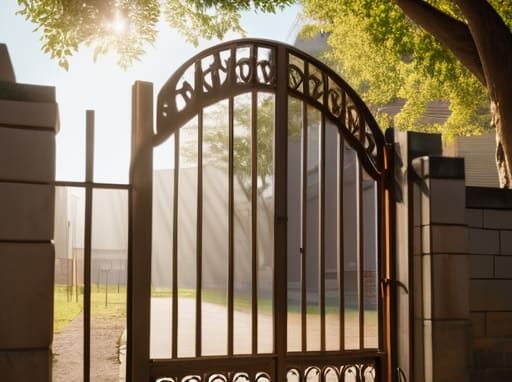
Removing Barriers Before Adding Interventions
I remember sitting in a windowless meeting room ten years ago, listening to a consultant in a slim-fit suit explain a “holistic...
Read out all
Multi-agency Work and Its Delays
I remember sitting in a windowless meeting room during a Tuesday afternoon slot—the kind where the radiator hums just loud enough to...
Read out all
Working With a Family, Not Against Them
I remember sitting in a damp staffroom during a Tuesday period five, staring at a spreadsheet of “persistent absentees” that looked more...
Read out all
The Adult Who Notices
I’ve sat through enough Ofsted-ready presentations to know that the official handbook on how form tutors support pupils is essentially a work...
Read out all