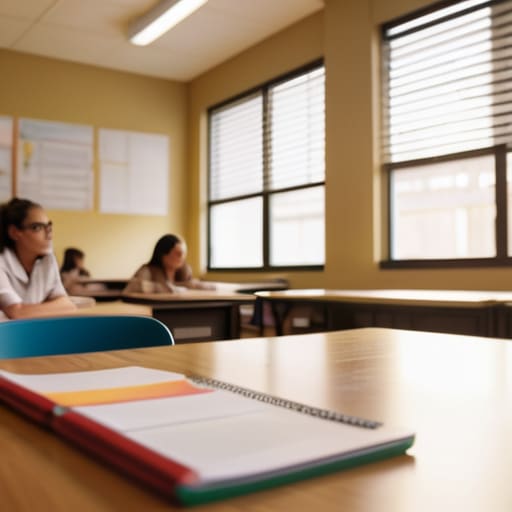
I was sitting in a CPD session three years ago—just before I went part-time—listening to a consultant explain how wellbeing is supported in schools through “mindfulness breathing exercises” and “gratitude journals.” I looked around the room at my colleagues; we were all exhausted, staring at lesson plans for Year 9 that needed doing, and wondering if we’d actually made it to lunch. There is something deeply patronising about being handed a scented candle or a ten-minute meditation app when what you actually need is a colleague who doesn’t add another meeting to your calendar. If your strategy for mental health requires more time from an already depleted staff, it isn’t a strategy; it’s just more work.
I’m not here to sell you on glossy posters or expensive, ineffective initiatives that look great in a governor’s report. Instead, I want to talk about the gritty, practical reality of what actually keeps a department functioning when the pressure is on. We’re going to look at the small, unsung ways that genuine support happens in the staffroom and the classroom, and why the most effective systems are often the ones that don’t require a dedicated budget or a training day.
Table of Contents
Moving Beyond Surface Level Student Mental Health Initiatives
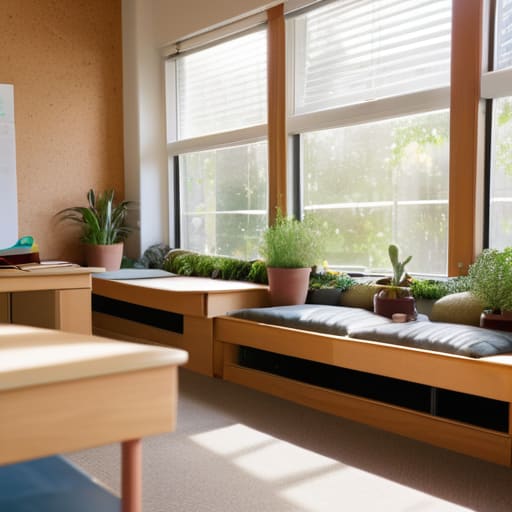
We’ve all seen them: the glossy, laminated posters in the corridor promising “resilience” and “mindfulness,” usually placed right next to a notice about a mandatory wellbeing seminar that starts at 3:45 PM on a Friday. Most student mental health initiatives fail because they treat anxiety like a math problem to be solved with a ten-minute breathing exercise, rather than a symptom of a chaotic environment. If we want to actually move the needle, we have to stop treating mental health as an “add-on” to the curriculum and start looking at the actual ecosystem of the classroom.
Real progress isn’t found in a standalone lesson on emotions; it’s found in the predictability of the routine and the stability of the relationships. When we talk about school climate improvement, we aren’t talking about fancy new software or expensive external consultants. We are talking about whether a student feels safe enough to make a mistake in front of their peers without being mocked. It’s about creating a space where the structure provides the safety, rather than adding more “wellness” tasks to an already overloaded timetable.
Why Holistic Educational Environments Fail in Reality
The problem with most “holistic educational environments” is that they are designed in a vacuum. You see them in the glossy brochures: a seamless integration of social emotional learning frameworks where every interaction is a mindful moment. But those brochures don’t account for the reality of a Year 9 class that has just decided that today is the day they collectively refuse to sit down. When the curriculum is squeezed and the corridors are loud, those high-level frameworks tend to evaporate. We try to build these beautiful, interconnected systems, but they often lack the structural integrity to survive a single chaotic lesson.
We also tend to treat student wellbeing and staff wellbeing as two entirely separate silos. It’s a fundamental mistake. You can roll out all the student mental health initiatives you like, but if the person standing at the front of the room is running on caffeine and sheer spite because they haven’t had a meaningful break in three years, the system is broken. Real school climate improvement isn’t about adding more tasks to a teacher’s plate; it’s about ensuring the foundation is stable enough to actually support the weight of the students’ needs.
Five Ways to Support Wellbeing Without Adding to the Workload
- Stop the “Wellbeing Wednesday” charades. If you’re asking teachers to attend a mindfulness seminar at 4 PM when they have a stack of Year 9 essays screaming their names, you aren’t supporting them; you’re just giving them another thing to fail at. Real wellbeing is found in the removal of unnecessary tasks, not the addition of “wellness” ones.
- Fix the seating plan before you fix the soul. We talk a lot about emotional regulation, but if you’ve got three students in the front row who are constantly triggering each other’s anxieties, no amount of “breathing exercises” will save that lesson. Good wellbeing starts with a classroom layout that reduces friction before the bell even rings.
- Protect the lunch hour like it’s a sacred relic. The culture of “working through” is a slow-motion car crash. If we want staff who can actually model resilience for the kids, we need to stop treating the staffroom as a secondary workspace and start treating it as a place where, occasionally, no one talks about the curriculum.
- Acknowledge the “invisible” workload. It’s easy to measure how many mental health workshops we’ve run, but it’s much harder to measure the mental energy spent navigating a difficult conversation with a parent or managing a sudden outburst in Period 4. Support means acknowledging that the heavy lifting happens in the gaps between the formal lesson plans.
- Build a culture of “good enough” for the basics. We’ve become obsessed with perfection in every single resource and every single slide. For the sake of everyone’s sanity, we need to give people permission to deliver a solid, effective lesson without it being a choreographed piece of performance art. A rested teacher with a “good enough” lesson is better for the kids than a burnt-out teacher with a perfect one.
The Reality Check: Three Things to Take Away
Stop looking for a silver bullet in a new policy document; wellbeing isn’t a framework you “implement,” it’s the margin you leave in your timetable so you don’t burn out by November.
If a mental health initiative requires more prep time than you currently have for your actual teaching, it’s not a support strategy—it’s just another item on your to-do list that’s destined to fail.
Real support happens in the small, practical stuff—like a department head who actually listens when you say you’re drowning, rather than handing you a glossy brochure on “resilience.”
The Staffroom Reality Check
“We can spend all year talking about ‘holistic wellbeing frameworks’ and ‘resilience building,’ but if the school culture still expects a teacher to be a trauma counsellor, a data analyst, and a behaviour manager all before lunch, then those frameworks are just expensive wallpaper. Real wellbeing isn’t a workshop in October; it’s whether or not you have the breathing room to actually teach when the pressure hits.”
Ellery Mwangi-Selkirk
The Reality of the Long Game
At the end of the day, we have to stop pretending that a mindfulness app or a single ‘wellbeing afternoon’ can compensate for a broken system. We’ve seen it all before: the glossy initiatives that look great in a governor’s report but vanish the moment the department budget gets squeezed or the behaviour in Year 9 turns south. Real wellbeing isn’t found in a top-down framework; it’s found in the predictability of a stable classroom, the strength of the relationships we build in the corridors, and the decision to stop adding ‘one more thing’ to an already overflowing plate. If a strategy doesn’t hold up when you’re exhausted and running ten minutes late, it isn’t a strategy—it’s just more paperwork.
I know it feels like we are constantly treading water, trying to support students while barely keeping our own heads above the surface. But don’t let the systemic failures convince you that the small stuff doesn’t matter. The way you listen to a kid who’s having a rough morning, or the way you protect your own boundaries so you don’t burn out by November, matters immensely. We aren’t here to implement perfect, theoretical models; we are here to be steady, present humans in a chaotic world. That is where the real work happens, and frankly, that is the only thing that actually survives the contact with a wet Wednesday.

Author

Related Posts

A Library With Someone Running It
I remember sitting in a departmental meeting ten years ago, listening to a consultant drone on about “digital literacy hubs” and “multi-modal...
Read out all
Keeping Arts on the Timetable
I remember sitting in a budget meeting back in 2014, listening to a consultant in a slim-fit suit explain how we could...
Read out all
Participation Versus Competition in School Sport
I remember standing in a drafty changing room in mid-November, watching a frantic PE lead try to coordinate three different Year 8...
Read out all
Enrichment That Reaches the Pupils Who Need It
I remember sitting in a windowless meeting room five years ago, staring at a glossy PowerPoint presentation that promised to revolutionise our...
Read out all
Removing Barriers Before Adding Interventions
I remember sitting in a windowless meeting room ten years ago, listening to a consultant in a slim-fit suit explain a “holistic...
Read out all
Multi-agency Work and Its Delays
I remember sitting in a windowless meeting room during a Tuesday afternoon slot—the kind where the radiator hums just loud enough to...
Read out all