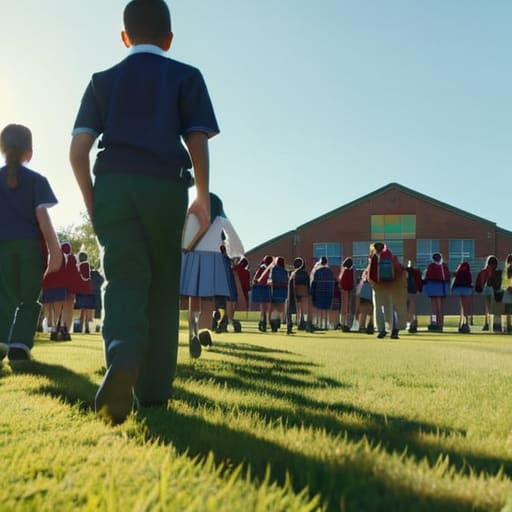
I remember standing in a drafty corridor during a mid-winter drill, clutching a laminated folder that felt more like a prop than a lifeline, while thirty Year 8s treated the alarm like a cue for a social club. The senior leadership team was beaming because we’d ticked every box in the latest compliance manual, but as I looked at the broken latch on the fire door and the sheer chaos of a misplaced register, I realised that most guidance on how schools plan for emergencies is written by people who have never actually stood in a crowded hallway at 3:15 PM. We spend months perfecting these glossy, theoretical frameworks that look magnificent in a governor’s report, yet they crumble the second a real crisis meets the messy, unpredictable reality of a school day.
I’m not here to give you more paperwork to file or more “best practice” jargon that requires a degree to decipher. Instead, I want to talk about the practical, gritty reality of keeping people safe when things actually go wrong. We’re going to look at what works when the Wi-Fi is down, the staff are stretched thin, and the plan you spent weeks designing meets a wet Wednesday reality.
Table of Contents
Why School Safety Protocols Fail When Chaos Hits
The problem with most school safety protocols is that they are designed by people sitting in quiet offices, far away from the sound of thirty Year 8s arguing over a stolen highlighter. We spend months perfecting these glossy, theoretical frameworks, only to realise they rely on a level of calm that simply doesn’t exist in a secondary school. When a real crisis hits, you aren’t following a neat, numbered list; you are managing a room of terrified children, a broken door handle, and a sudden, deafening silence.
Most emergency response drills fail because they assume perfect compliance and clear communication. In reality, the emergency communication systems for schools we rely on often glitch just when the adrenaline kicks in, or the person holding the clipboard is stuck in a meeting on the other side of the campus. We focus so much on the paperwork of disaster preparedness for educators that we forget the most important variable: the human element. If a plan requires everyone to act like a disciplined soldier during a chaotic lockdown, it’s not a plan—it’s a fantasy.
The Myth of Perfect Campus Security Planning
We’ve all sat through those glossy, high-budget presentations where a consultant shows us a flowchart of perfect, seamless campus security planning. On the screen, every teacher knows their role, every door locks with a single click, and the communication is instantaneous. It looks marvellous. But here is the problem: those charts assume a level of calm that simply doesn’t exist in a secondary school. They don’t account for the reality of a hallway full of Year 11s who have just been told they’re staying for detention, or the fact that half your staff are currently untethered from their desks in the science labs.
The truth is, most emergency response drills are designed for a vacuum. We practice for the “what if” in a controlled environment, but we rarely prepare for the friction of reality. When a crisis actually hits, you aren’t following a pristine diagram; you are managing a room of thirty frightened teenagers while trying to figure out why the digital alert hasn’t reached the staff room yet. If your plan relies on everyone being perfectly composed and technology working flawlessly, you haven’t built a strategy—you’ve built a fantasy.
Five Ways to Plan for the Chaos (Without Losing Your Mind)
- Stop planning for the “perfect” scenario. Most emergency manuals assume everyone is calm, the bells work, and the Wi-Fi is stable. Plan for the version where the fire alarm is malfunctioning, the Year 10s are refusing to move, and you’re the only adult in the corridor. If your plan requires a calm classroom to work, it isn’t a plan; it’s a wish.
- Prioritise the “First Five Minutes” over the long-term response. In a real crisis, nobody is thinking about the secondary evacuation phase or the formal debrief. They are thinking about getting the kids out of the line of fire or into a secure space. Your strategy should focus entirely on what happens in those first 300 seconds when adrenaline is high and logic is low.
- Forget the glossy binders; use the “Pocket Test.” If your emergency procedures are buried in a 50-page PDF on the school intranet, they are useless. A teacher mid-panic isn’t going to log into a portal. You need single-page, high-contrast, physical checklists that can be grabbed from a desk or kept in a lanyard. If you can’t read it while walking quickly down a dark hallway, it’s too complicated.
- Build “Muscle Memory” through low-stakes practice, not just annual drills. One massive, high-stress drill in October does nothing for a teacher in May. We need small, unannounced, “micro-drills”—like a quick seating plan check or a rapid door-lock drill—that make the response instinctive rather than something you have to stop and think about.
- Account for the “Human Variable” in your headcount. We’ve all been there: you think you have 28 students, but then you realise one was in the toilet, one was in the library, and one was hiding in the corridor to avoid a maths test. Your emergency plan must include a way to account for the “missing” without turning the entire school into a frantic search party.
What Actually Matters When the Alarm Goes Off
Stop obsessing over the thickness of your policy folder and start testing your plans against reality—if your evacuation route relies on a corridor that’s always blocked by Year 7s or a digital system that crashes when the Wi-Fi goes down, your plan is just a polite fiction.
Real safety is built on muscle memory, not a one-off briefing in a sterile staff meeting; you need drills that account for the messy, unpredictable friction of a live school day, including the kids who won’t move and the staff who are already stretched to breaking point.
Prioritise the “human” elements of your protocol—clear, calm communication and knowing exactly who is responsible for what—because in the middle of a crisis, a beautifully drafted document won’t help you, but a teacher who knows their role without having to check a handbook might.
The Paperwork vs. The Reality
“We spend months perfecting these glossy, color-coded emergency binders that sit untouched on a shelf, forgetting that a real crisis doesn’t wait for you to find the right tab; it hits when you’re mid-sentence in a Year 10 lesson, the fire alarm is screaming, and half your class is looking to you to see if you’ve actually got a clue.”
Ellery Mwangi-Selkirk
Practicality Over Paperwork
At the end of the day, we have to stop pretending that a pristine, laminated binder sitting in the Deputy Head’s office is the same thing as being prepared. We’ve seen it time and again: the protocols that look flawless in a boardroom meeting fall apart the moment you’re standing in a corridor with thirty-two restless teenagers and a jammed fire exit. Real planning isn’t about ticking a compliance box for an inspector; it’s about the messy, unglamorous reality of knowing exactly where your students are and having a plan that survives a broken intercom or a sudden downpour. If your strategy relies on everything going perfectly, it isn’t a strategy—it’s a wish list.
I know how heavy the weight of responsibility feels when you’re the one standing between a group of kids and a crisis. It’s exhausting, and the system rarely gives you the time to actually breathe, let alone rehearse. But please, don’t let the bureaucracy dull your instincts. Focus on the small, functional things that actually work when the chaos hits. Trust your experience, look out for your colleagues, and remember that true resilience is built in the quiet, practical preparations we make on the days when nothing goes wrong. That is how we actually protect the room we are in.

Author

Related Posts

Collecting Data Somebody Will Use
I remember sitting in a windowless meeting room in 2014, staring at a shiny new software demonstration that promised to “revolutionise student...
Read out all
Communicating Without Overwhelming Parents
I remember sitting in a windowless meeting room in 2014, watching a consultant in a slim-fit suit explain how a new, multi-million-pound...
Read out all
A Complaints Process That Resolves Things
I remember sitting in a departmental meeting ten years ago, staring at a glossy, laminated flowchart that promised a “streamlined, multi-stage resolution...
Read out all
Volunteers, Checks and Useful Roles
I remember sitting in a departmental meeting ten years ago, listening to a consultant drone on about “community engagement frameworks” and how...
Read out all
A Library With Someone Running It
I remember sitting in a departmental meeting ten years ago, listening to a consultant drone on about “digital literacy hubs” and “multi-modal...
Read out all
Keeping Arts on the Timetable
I remember sitting in a budget meeting back in 2014, listening to a consultant in a slim-fit suit explain how we could...
Read out all