I remember standing in a Year 9 corridor in 2014, clutching a brand-new, laminated “Positive Behaviour Framework” that had cost the department a small fortune and promised to transform student engagement through “relational capital.” It was useless. As the bell rang and thirty teenagers surged into the room like a breaking wave, I realised that no amount of glossy, pedagogical jargon was going to stop the chaos. We spend far too much time chasing these expensive, high-concept initiatives, when the real answer to how routines improve behaviour isn’t found in a shiny new handbook, but in the unglamorous, repetitive habits that keep the room from descending into madness during period five.
I’m not here to sell you on some revolutionary new way to manage a classroom; I’ve seen enough “revolutions” to know they usually just lead to more paperwork. Instead, I want to talk about the gritty, practical stuff that actually works when you’re tired, understaffed, and running on caffeine. We’re going to look at the small, predictable rhythms that build a sense of safety for your students and, more importantly, save your sanity by making the predictable automatic.
Table of Contents
Predictable Environments and Emotional Regulation in Real Rooms
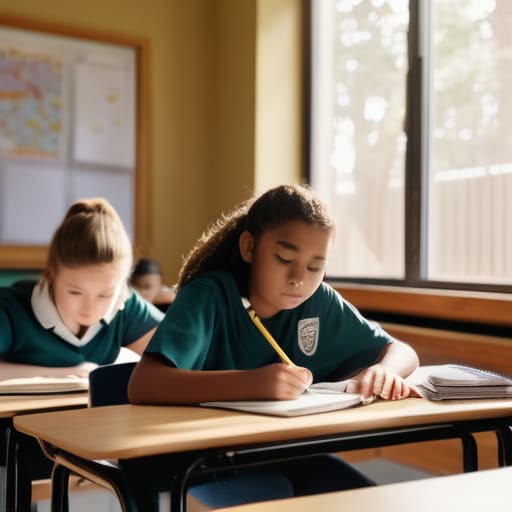
We often talk about “classroom management” as if it’s some high-level psychological chess match, but in a real room, it’s much simpler than that. Most of the friction I’ve seen—the sudden outbursts, the refusal to pick up a pen, the general sense of dread in a Year 9 group—stems from a lack of certainty. When you provide predictable environments and emotional regulation becomes a natural byproduct of the day. If a student knows exactly how they enter the room, exactly where their resources are, and exactly what the transition from the starter to the main task looks like, their nervous system can actually settle. They aren’t constantly scanning for the next “surprise” or shift in expectations.
It isn’t about being a drill sergeant; it’s about lowering the cognitive load required just to exist in your space. When the structure is baked into the furniture, you aren’t wasting your precious mental energy policing every tiny movement. Instead, you’re creating a container where the students feel safe enough to actually fail, try again, and eventually learn. It turns out that reducing anxiety through routine is often more effective than any “engagement strategy” you’ll find in a shiny new CPD manual.
Habit Formation and Behavioral Change That Actually Sticks
The problem with most professional development on this topic is that it treats students like programmable robots. We talk about habit formation and behavioral change as if you can just flip a switch and suddenly every Year 9 student is walking in, sitting down, and opening their books in perfect synchronicity. It doesn’t work like that. Real change happens in the small, repetitive friction of the day. It’s not about a grand pedagogical shift; it’s about the fact that when a student knows exactly what the first five minutes of Tuesday look like, they don’t have to spend their limited mental energy deciding how to behave.
When we lean into the cognitive benefits of daily structure, we aren’t just being “orderly” for the sake of it. We are actually lowering the stakes. By making the mechanics of the classroom invisible through repetition, we stop the constant negotiation of expectations. You aren’t fighting for control every single lesson; you are simply operating within a framework that has already been decided. It’s about building a rhythm that survives even when you’ve had a rough morning and don’t have the energy to be the “enforcer.”
Five Ways to Stop Managing Chaos and Start Running a Room
- The “Threshold” Rule: Don’t let them enter like they’re storming a beach. Stand at the door. It’s not about being a bouncer; it’s about that five-second micro-interaction where you check their temperature before they even hit their desks. If you wait until they’re seated to start the lesson, you’ve already lost the battle to the noise.
- The Low-Stakes Starter: Forget the elaborate, multi-step retrieval tasks that require twenty minutes of setup. If your routine involves a “Do Now” that they can do without you saying a single word, you’ve bought yourself the most precious commodity in teaching: thirty seconds of silence to actually check your notes or take a breath.
- Script Your Transitions: We often lose the room in the gaps—moving from desks to the carpet, or handing out books. Don’t wing it. Have a set phrase or a specific countdown. If you treat every transition like a new negotiation, you’re going to end up exhausted and out of breath by lunch.
- The “No-Negotiation” Supplies Routine: Stop the scavenger hunts for glue sticks and rulers. It’s a recipe for disaster. Establish a routine where equipment is either already on the desk or managed by one specific person in the group. If you’re spending ten minutes of a fifty-minute lesson hunting for stationery, you aren’t teaching; you’re babysitting.
- Consistent Endings, Not Abrupt Stops: The bell shouldn’t be the signal for chaos. Build a routine where the last three minutes are for packing away and a single, calm question. If you let them bolt the second that bell rings, you’ve taught them that your instruction is secondary to the clock, and they’ll act accordingly next time.
The Survival Guide: What Actually Sticks
Stop chasing the “perfect” lesson plan and start building a predictable rhythm; routines aren’t about being a drill sergeant, they are about creating a safety net so the room doesn’t descend into chaos when you’re too tired to fight every single minor disruption.
Focus on the small, repeatable wins—like how they enter the room or how they hand in books—rather than grand pedagogical shifts, because a routine only works if it can be executed on a rainy Tuesday afternoon when you’ve got thirty restless teenagers and zero energy left.
Remember that consistency is more important than complexity; a simple, slightly repetitive procedure that every student understands is worth infinitely more than a sophisticated new management strategy that requires twenty minutes of explanation and fails by Period 4.
## The Myth of the Flawless Lesson
“We spend far too much time obsessing over the ‘perfect’ starter activity or the most engaging hook, when the real work of behaviour management is much more boring: it’s the quiet, repetitive rhythm of a room that knows exactly what happens when they walk through the door, regardless of whether you’re having a brilliant day or a truly exhausting one.”
Ellery Mwangi-Selkirk
The Reality of the Long Game
At the end of the day, routines aren’t about achieving some polished, cinematic version of classroom management where every child sits in silent reverence. They are about the small, unglamorous wins: the way the room settles when the same slide appears every Tuesday, or how the transition from the door to the desk happens without you having to raise your voice. We’ve talked about emotional regulation and the science of habit, but let’s be honest—most of this is about reducing the cognitive load on both you and the kids. When the routine is locked in, you aren’t spending your precious mental energy policing every minor movement; you’re actually free to teach. It’s about building a scaffold that holds firm even when you’re running on four hours of sleep and the lesson plan is falling apart.
Don’t let the latest pedagogical trend make you feel like you’re failing because your classroom doesn’t look like a curated Instagram feed. The most effective teachers I know aren’t the ones with the flashiest resources; they are the ones who have mastered the art of the predictable rhythm. If you can create a space where the students know exactly what is expected of them—even when the weather is miserable and the energy in the room is low—you have already won half the battle. Focus on the small, repeatable rhythms that survive contact with reality. That is where the real learning, and the real sanity, actually lives.

Author

Related Posts

A Library With Someone Running It
I remember sitting in a departmental meeting ten years ago, listening to a consultant drone on about “digital literacy hubs” and “multi-modal...
Read out all
Keeping Arts on the Timetable
I remember sitting in a budget meeting back in 2014, listening to a consultant in a slim-fit suit explain how we could...
Read out all
Participation Versus Competition in School Sport
I remember standing in a drafty changing room in mid-November, watching a frantic PE lead try to coordinate three different Year 8...
Read out all
Enrichment That Reaches the Pupils Who Need It
I remember sitting in a windowless meeting room five years ago, staring at a glossy PowerPoint presentation that promised to revolutionise our...
Read out all
Removing Barriers Before Adding Interventions
I remember sitting in a windowless meeting room ten years ago, listening to a consultant in a slim-fit suit explain a “holistic...
Read out all
Multi-agency Work and Its Delays
I remember sitting in a windowless meeting room during a Tuesday afternoon slot—the kind where the radiator hums just loud enough to...
Read out all