
I’ve sat through enough CPD sessions to know the drill: some consultant in a slim-fit suit standing in front of a shiny PowerPoint, explaining how transitions between phases work as if it’s some grand, choreographed ballet. They talk about “seamless pedagogical shifts” and “optimising cognitive load,” but they’re usually presenting to a room of thirty calm, silent teenagers in a private academy. They don’t account for the Year 9 class that’s already vibrating with restless energy, or the fact that you’ve got thirty seconds to move them from a textbook to a practical activity before the entire lesson descends into madness.
I’m not here to give you a theoretical framework that falls apart the moment a student decides to drop a heavy bag on the floor. Instead, I want to talk about what actually happens when you’re standing there, mid-lesson, trying to keep the momentum alive. I’ll be sharing the unvarnished reality of managing those messy gaps, focusing on the small, practical tweaks that actually stop the bleeding. We aren’t aiming for perfection; we’re aiming for controlled chaos that actually allows for learning to happen.
Table of Contents
Why Sequential Phase Modeling Fails in Real Classrooms
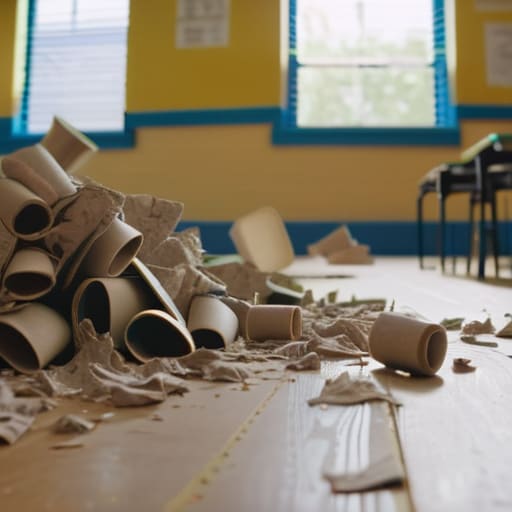
The problem with most training on sequential phase modeling is that it assumes a level of control that simply doesn’t exist once the bell rings. You see it in every CPD session: a polished slide deck suggesting that if you just use a specific countdown or a particular hand signal, the class will move from a starter activity to independent work with the grace of a ballet troupe. It’s a lovely theory, but it ignores the sheer friction of reality. In a real classroom, you aren’t managing a smooth interphase progression; you are managing thirty different temperaments, a broken chair, and the kid in the back who has decided that now is the perfect moment to lose his glue stick.
When we talk about phase transition dynamics, we often forget that the “transition” isn’t just a gap between tasks—it’s a moment of high vulnerability. The theory suggests a clean break, but in practice, it’s a messy collision. If you try to force a rigid, step-by-step model when the energy in the room is already tilting toward chaos, you don’t get a productive shift; you just get a room full of kids waiting for the next instruction while they lose their momentum.
Managing State Change Mechanisms When Youre Exhausted
Look, I know what the training manuals say about “state change mechanisms.” They make it sound like you’re a chemist managing a controlled reaction in a lab. In reality, when it’s 2:45 PM on a Friday and you’ve got thirty-two teenagers who have been staring at a whiteboard for an hour, a “state change” feels less like science and more like trying to herd cats through a car wash. You aren’t managing a sophisticated systemic phase shift; you are just trying to stop the momentum of the last activity from turning into a riot during the next one.
When you are running on fumes, you cannot rely on elaborate, choreographed routines. You need something that works when your brain is half-empty. Instead of trying to force a perfect interphase progression through complex instructions, lean into the simplest possible anchors. It might just be a countdown, a specific physical movement, or a single, quiet cue. The goal isn’t to achieve pedagogical perfection; it’s to reduce the cognitive load on yourself so you don’t burn out before the final bell. Keep the transitions blunt, keep them fast, and don’t overthink it.
Five ways to actually get through a lesson without losing your mind
- Stop waiting for silence to start the next phase. If you wait for every single kid to stop whispering before you move from the starter to the main task, you’ll spend forty minutes of your hour just staring at them. Give the instruction while there’s still a low hum, make it sharp, and move. You can tighten the discipline in the next phase, but don’t let the transition itself become a standstill.
- Use the “low-stakes reset.” If a transition has gone sideways and the energy is drifting toward chaos, don’t try to power through with a complex new activity. Just stop, have them put everything down, and spend two minutes resetting the physical space—books away, chairs tucked, eyes front. It feels like lost time, but it’s actually an investment in the next twenty minutes.
- Ditch the elaborate “transition rituals” you saw on a training day video. If your transition requires a specific song, a choreographed clap, or a complex countdown that takes three minutes to execute, it’s too much. In a real classroom, a transition should be a functional bridge, not a performance. Keep it boring, keep it predictable, and keep it fast.
- Plan for the “physicality” of the move. Most transitions fail because we forget that teenagers are, quite literally, moving bodies. If you’re asking them to move from desks to a carpet area or to swap books, you have to account for the friction. Don’t ask them to move and then start talking; give the physical instruction first, let the movement happen, and only then deliver the cognitive load.
- The seating plan is your best transition tool. If you know that moving from independent work to group discussion is going to trigger a particular group of Year 9s, don’t wait for the transition to happen to deal with it. Pre-empt it. Set the expectation of where they are looking and who they are sitting with before the task changes. Control the geography, and you’ll control the transition.
The Bare Minimums for Surviving the Shift
Forget the polished, five-step transition protocols you see in training videos; if you can’t manage the shift with a single clear instruction and a firm gaze, it’s too complicated for a Tuesday afternoon.
Prioritise the physical environment over the pedagogical one—getting the pens down and the books away matters more than whatever “transition song” or timer you’re trying to use to mask the chaos.
Accept that some transitions will be messy, and instead of fighting the tide, focus on the one or two students who actually set the tone for the rest of the room.
The Myth of the Seamless Transition
We talk about transitions like they’re these elegant, choreographed movements between learning phases, but in a real classroom, a transition is just a controlled moment of controlled chaos. If you’re waiting for a polished, silent shift from a starter to a main activity, you aren’t teaching a class of thirty; you’re teaching a simulation. Real transitions aren’t about perfection; they’re about making sure the momentum doesn’t die in the gap between what they just did and what they’re about to do.
Ellery Mwangi-Selkirk
The Reality of the Reset
Look, we can talk about “seamless transitions” and “optimal cognitive load” until we’re blue in the face, but at the end of the day, a transition is just a way to stop the room from descending into a state of total entropy. It isn’t about a perfect, choreographed dance; it’s about having a few reliable, low-effort anchors—a specific cue, a predictable seating shift, or a moment of silence—that stop the momentum from sliding sideways. If you try to implement a complex new ritual when you’re running on four hours of sleep and a lukewarm coffee, you’re going to fail, and the kids will smell the blood in the water. Focus on the small, repeatable wins that keep the lesson moving, rather than chasing some polished instructional ideal that only exists in a teaching textbook.
If you’re feeling like you’re constantly just fighting to keep the lid on the pressure cooker, remember that you aren’t failing because your transitions aren’t “perfect.” You’re just working in a real classroom, which is inherently messy and unpredictable. The goal isn’t to eliminate the chaos entirely—that’s a fool’s errand—it’s to build enough structure to survive it. Stick to what works for your specific group of humans, ignore the latest shiny initiative that promises a magic fix, and just focus on getting them from point A to point B without losing your mind. You’re doing the hard work, and that is enough.

Author

Related Posts

Telling a Parent Something They Do Not Want to Hear
I remember sitting in a departmental meeting ten years ago, staring at a glossy, twenty-page slide deck about “holistic stakeholder engagement frameworks.”...
Read out all
Which Parental Involvement Actually Helps
I remember sitting in a staff meeting ten years ago, listening to a consultant in a sharp suit explain how we needed...
Read out all
Educating a Child at Home Legally
I spent two decades in secondary schools watching “revolutionary” policy frameworks arrive in glossy binders, only to see them crumble the moment...
Read out all
Teaching Rshe Confidently
I remember sitting in a windowless training room ten years ago, staring at a glossy PowerPoint presentation that promised a “revolutionary, multi-tiered...
Read out all
Mental Health Support in a School Setting
I remember sitting in a staff briefing three years ago, staring at a glossy, laminated flowchart that promised a “revolutionary new framework”...
Read out all
Making a Referral and Recording It
I remember sitting in a windowless meeting room in 2014, staring at a thirty-page safeguarding manual that felt more like a legal...
Read out all