
I remember sitting in a windowless meeting room five years ago, staring at a PowerPoint presentation that promised a “revolutionary, holistic ecosystem for student aspiration.” It was filled with colorful infographics and buzzwords that sounded lovely in a vacuum, but as I looked at the schedule, I realized it didn’t account for the fact that we had thirty-two Year 10s in the next room, half of whom were currently preoccupied with a broken heating system. We spend far too much time designing these glossy, theoretical frameworks that ignore the chaos of a real school day, and frankly, it’s time we stopped pretending that’s how careers guidance should work.
I’m not here to sell you on another expensive, top-down initiative that will be forgotten by the next autumn term. Instead, I want to talk about what actually sticks when you’re working with limited resources and even more limited time. I’m going to share what real guidance looks like when it’s stripped of the jargon and tested against the reality of a busy school calendar. This is about practical, grounded strategies that actually help a student find their way, even when the world outside the classroom feels like it’s falling apart.
Table of Contents
- Gatsby Benchmarks Implementation Beyond the Compliance Paperwork
- Effective Career Coaching Models for Overstretched Staff
- Five Ways to Make Careers Guidance Work Without Losing Your Mind
- The Reality Check: What Actually Sticks
- The Reality of the Career Conversation
- Getting it Right When the Bell Rings
Gatsby Benchmarks Implementation Beyond the Compliance Paperwork
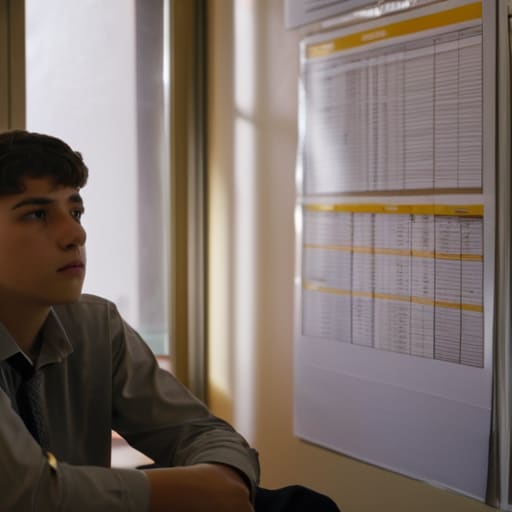
We’ve all been there: sitting in a windowless meeting room, staring at a spreadsheet, trying to tick off every box to ensure our Gatsby Benchmarks implementation looks “gold standard” for the next inspection. It’s a performance. We create these beautiful, polished documents that suggest every student is on a clear, linear path, but they often feel more like fiction than reality. If the paperwork says we’ve met the benchmark, but the kid in the back row still thinks a ‘career’ is something that happens after they’ve finished playing video games, then we haven’t actually done the job.
Real impact happens when we move away from the compliance mindset and toward genuine employer engagement in schools. This isn’t about inviting a CEO to give a patronising speech once a year; it’s about bringing the outside world into the classroom in a way that actually sticks. We need to build student career development pathways that feel less like a bureaucratic checklist and more like a map for the real world—one that accounts for the fact that most teenagers have no idea what they want to be, and frankly, most of us didn’t either at seventeen.
Effective Career Coaching Models for Overstretched Staff
Here is the reality: most of the “effective career coaching models” being pitched to us in CPD sessions assume you have a dedicated team of professionals sitting in a quiet office, ready to hold deep, transformative sessions with every single student. In a real school, you’re lucky if you get ten minutes with a Year 11 student between a broken photocopier and a Year 7 who’s lost their blazer. If a model requires a level of emotional bandwidth that you simply don’t have by period five, it’s not a strategy; it’s a fantasy.
Instead of trying to replicate high-end corporate coaching, we need to look at micro-coaching interventions that fit into the cracks of a working day. This means integrating student career development pathways directly into the curriculum rather than treating them as a separate, heavy lift. If you can weave a discussion about industry relevance into a standard lesson, you’re doing more for their future than any glossy, standalone workshop ever could. We need guidance that survives the chaos of a Tuesday morning, not just the calm of a planning period.
Five Ways to Make Careers Guidance Work Without Losing Your Mind
- Stop treating Gatsby Benchmarks like a checklist for an inspector and start treating them like a roadmap for the kids. If you’re just ticking boxes to satisfy a spreadsheet but the Year 10s still have no idea what a T-Level actually involves, you aren’t doing guidance; you’re doing admin.
- Prioritise “Micro-Moments” over Grand Events. A massive careers fair once a year is fine for the brochure, but it’s often just a loud, confusing blur for the students. Real guidance happens in the five minutes after a lesson when a student asks, “Does anyone actually use maths in that job?”—that’s when you bridge the gap.
- Use the staff you already have, but don’t weaponise them. We all know the “careers lead” is often just the person who happened to be least resistant to the extra workload. Instead of asking every teacher to become a career counsellor, just ask them to mention one real-world application of their subject once a week. It’s low stakes, high impact, and doesn’t require a new qualification.
- Get rid of the “Glossy Brochure” syndrome. Most career advice feels like it’s written for a different planet. If you want to engage them, show them the reality—the apprenticeships that pay well, the trades that are actually booming, and the paths that don’t involve a four-year degree. Talk to them like people, not like prospective university applicants.
- Focus on the “Quiet Middle.” We tend to over-serve the high achievers aiming for Oxbridge and the most vulnerable who need immediate intervention. But the kids in the middle—the ones who are perfectly fine but have zero direction—are the ones who fall through the cracks. Guidance should be for them, too, not just the outliers.
The Reality Check: What Actually Sticks
Stop treating Gatsby Benchmarks like a compliance tick-box exercise for inspectors and start treating them like a roadmap for the kids who actually need it. If your careers policy looks great in a folder but doesn’t change the conversation a Year 10 student has about their future, it’s just more paperwork for an already exhausted staff room.
Forget the idea that every teacher needs to become a career counsellor. We are already drowning in marking and lesson prep; instead, focus on “micro-moments”—brief, meaningful links between your subject and the real world that don’t require a three-week planning cycle to execute.
Prioritise meaningful connections over glossy, expensive software. A single, well-placed conversation with a local tradesperson or a former student who’s actually working in the field will do more for a student’s perspective than any generic, automated career portal ever could.
The Reality of the Career Conversation
“We need to stop treating careers guidance like a tick-box exercise for an inspector’s clipboard and start treating it like what it actually is: a lifeline. If your guidance strategy requires a staff member to have an extra five hours a week they don’t possess, or if it only makes sense in a quiet office with a calm student, then it isn’t a strategy—it’s a fantasy.”
Ellery Mwangi-Selkirk
Getting it Right When the Bell Rings
At the end of the day, we have to stop treating careers guidance like a box-ticking exercise designed to appease an inspector or satisfy a spreadsheet. We’ve talked about moving past the performative Gatsby paperwork and finding coaching models that don’t require your pastoral team to work an extra ten hours a week. It isn’t about finding a magic new software package or a shiny new framework; it is about making sure that the advice we give is actually useful to a kid who is more worried about their lunch than their post-18 trajectory. If a strategy doesn’t survive the chaos of a busy corridor or the fatigue of a Friday afternoon, it isn’t a strategy—it’s just more paperwork.
I know how it feels when you’re staring at a mountain of admin and wondering if any of this actually matters to the students sitting in front of you. But if we can strip away the jargon and focus on the small, practical connections—the real conversations that happen when we actually listen—we can make a difference. We don’t need to revolutionise the entire system overnight; we just need to provide guidance that is grounded in reality. If we do that, we aren’t just fulfilling a mandate; we are helping them find their way out of the classroom and into a life that actually suits them. That is the work worth doing.

Author

Related Posts

Which Parental Involvement Actually Helps
I remember sitting in a staff meeting ten years ago, listening to a consultant in a sharp suit explain how we needed...
Read out all
Educating a Child at Home Legally
I spent two decades in secondary schools watching “revolutionary” policy frameworks arrive in glossy binders, only to see them crumble the moment...
Read out all
Teaching Rshe Confidently
I remember sitting in a windowless training room ten years ago, staring at a glossy PowerPoint presentation that promised a “revolutionary, multi-tiered...
Read out all
Mental Health Support in a School Setting
I remember sitting in a staff briefing three years ago, staring at a glossy, laminated flowchart that promised a “revolutionary new framework”...
Read out all
Making a Referral and Recording It
I remember sitting in a windowless meeting room in 2014, staring at a thirty-page safeguarding manual that felt more like a legal...
Read out all
Safeguarding Duties Every Adult Holds
If you ask the consultants or the people who write the glossy, hundred-page compliance handbooks, they’ll tell you that safeguarding is a...
Read out all